
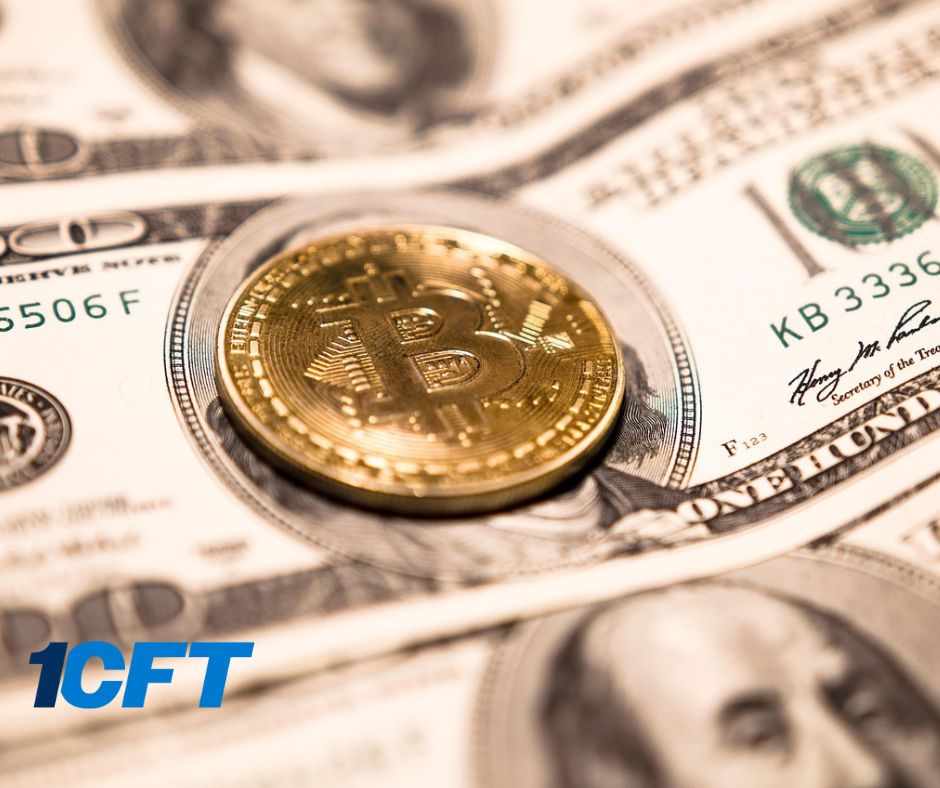
Blockchain technology, initially associated only with cryptocurrencies, has become the foundation of many innovative solutions in various sectors of the economy. Thanks to its transparency, security, and the ability to automate processes, blockchain is used not only in finance, but also in trade, logistics, and healthcare.
Only in cryptocurrencies?
While blockchain was originally created as the foundation for cryptocurrencies like Bitcoin, its potential was quickly recognized in other fields. The technology’s key features, such as immutability of data, decentralized structure, and transparency, have made blockchain applicable to many industries. With the ability to store data securely and openly, this technology supports information management, process automation, and reduced operating costs.
In practice, blockchain can be used to create smart contracts that automatically execute the provisions of the contract without the involvement of intermediaries. It can also act as a platform for public registers, such as property deeds or legal documents. Pro-trading firm 1cft, recognizing this variety of applications, uses blockchain to optimize investment activities, introducing innovative tools to support portfolio management.
Financial sector
The financial sector is an area where blockchain plays a particularly important role. The transparency and security that this technology offers is revolutionizing the way transactions are conducted and assets are managed. With blockchain, it is possible to make instant and low-cost international transfers, while eliminating the need for intermediaries such as banks.
Another application of blockchain in finance is smart contracts that automate processes related to loans, insurance, or investments. These self-executing contracts not only reduce operating costs, but also eliminate the risk of human error. The 1cft investment platform leverages the potential of blockchain in finance, offering tools that enable investors to manage their assets safely and efficiently.
Trade
Blockchain plays a key role in the transformation of the retail sector, both retail and international. One of the most important applications of this technology is the ability to trace goods at every stage of the supply chain. This approach increases the transparency of processes and allows for the verification of the authenticity of products, which is particularly important in industries where the problem of counterfeiting is particularly acute – for example, in the electronics, pharmaceutical or luxury goods sectors. The ability to immediately check the source of goods strengthens customer trust and builds the reputation of companies using this technology.
Blockchain also enables the development of modern token-based loyalty systems. Compared to traditional solutions, such systems are more flexible, transparent and easier to manage. Tokens can be exchanged quickly and securely, which attracts customers and encourages them to buy again. In addition, smart contracts support the automation of key commercial processes, such as invoicing, settlements between trading partners or order management, which eliminates errors and significantly reduces the time consumption of operations.
The use of blockchain in commerce is not limited to the optimization of internal processes. The technology also supports social responsibility and sustainability initiatives by tracking the origin of products and raw materials, as well as ensuring that they meet ethical and environmental standards.
The pro-trading firm recognizes the huge potential of blockchain in the trading sector, offering investors tools and solutions to reap the benefits of this rapidly evolving technology. Blockchain makes trading more transparent, secure, and adaptable to the challenges of the modern market, and investors have the opportunity to support projects that are transforming the way the global economy operates.
Transport
Blockchain in the transport sector is transforming the way supply chains and logistics processes are managed, offering innovative solutions to increase efficiency and security. One of the key applications of this technology is the ability to track shipments in real time, which significantly increases transparency and allows for quick response in the event of potential problems, such as loss or delay in delivery. This allows businesses to better manage their assets and build customer trust by providing transparent information about the status of shipments.
Blockchain also makes it possible to automate the management of transport documentation, such as bills of lading, invoices or certificates of conformity. Processes that were previously time-consuming and prone to human error can now be carried out in an automated and secure manner. Such automation allows for a significant reduction in operating costs and improved efficiency of logistics management.
Another advantage of blockchain technology in transport is the use of smart contracts. Thanks to them, it is possible to automatically settle payments between carriers and customers at the end of a specific stage of delivery. This eliminates the need for manual data processing, which not only saves time but also minimizes the risk of disputes and errors. The trading platform supports investors by offering blockchain-based tools that streamline the management of logistics processes and supply chains. Thanks to the platform’s modern functionalities, investors can benefit from innovative solutions that increase transparency and efficiency in a dynamic transport environment.
Health care
Blockchain in healthcare is disrupting changes in the way patient data is managed and exchanged between medical facilities. Thanks to the immutability and transparency of this technology, it is possible to store medical data in a secure manner, which eliminates the risk of unauthorized access or manipulation. At the same time, blockchain ensures that only authorized individuals have access to this data, which increases the level of trust throughout the healthcare system.
Blockchain technology also supports the tracking of supply chains for medicines, medical equipment and other resources, which effectively prevents counterfeit products from entering the market. This solution increases transparency and control over logistics processes, which is crucial in an industry where the quality and authenticity of products can be decisive for human health and life.
The use of blockchain also includes smart contracts that automate processes such as insurance settlements, benefit verification, and management of access to test results. This type of automation allows for a significant reduction in administrative costs and minimization of the risk of human error.
Blockchain is a technology that is changing the face of the modern economy. Its use cases extend far beyond cryptocurrencies to include finance, trading, logistics, and healthcare. Thanks to its transparency, security and flexibility, blockchain is becoming the foundation of modern technological solutions. Blockchain not only responds to current needs, but also opens the door to a future-proof economy based on innovative solutions.