
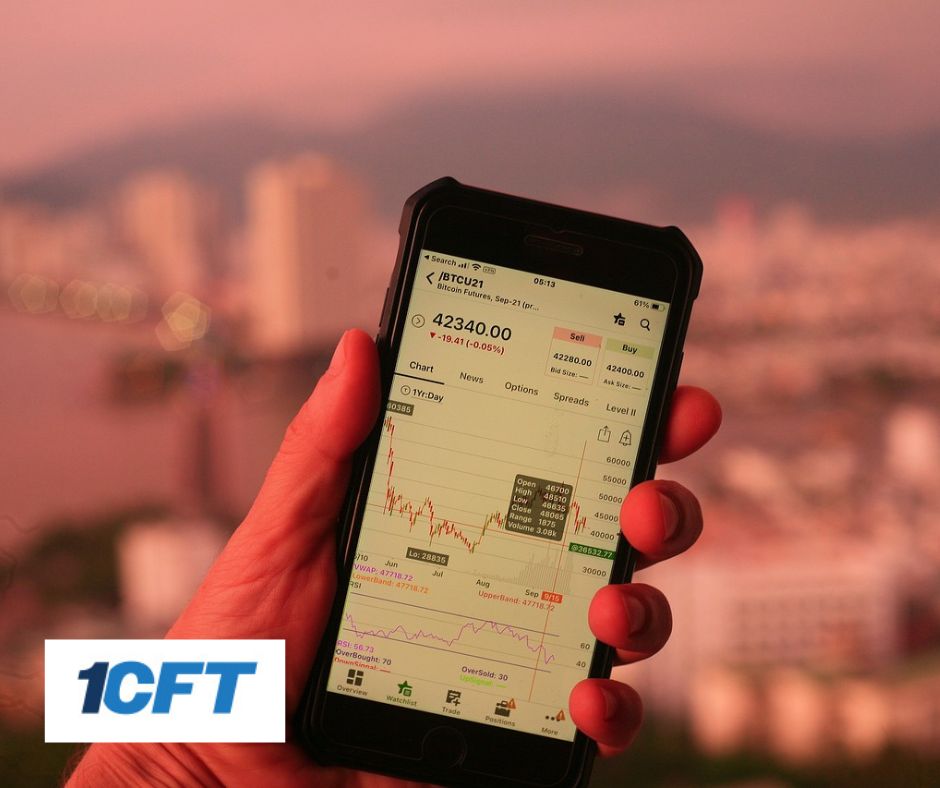
USD Coin (USDC) is emerging as one of the key players in the digital asset ecosystem, acting as a stable bridge between the world of traditional finance and the dynamic cryptocurrency market. Its growing popularity and transparent structure mean that more and more investors are analyzing its potential. USDC doesn’t promise sharp increases in value, but it does offer something much rarer in the industry: predictability.
Understanding cryptocurrency
Unlike Bitcoin or Ethereum, whose prices fluctuate strongly, USD Coin falls into the category of stablecoins. These are digital tokens designed to maintain a fixed value, most commonly pegged at a 1:1 ratio to a fiat currency such as the US dollar. Their creation was a natural response to the problem of volatility, which prevented the use of the first cryptocurrencies as a reliable medium of exchange or unit of account. The main task of USDC is to eliminate exchange rate risk, which is a barrier to the wide adoption of cryptocurrencies in everyday transactions and business settlements. Created by the Centre consortium, whose founders are Circle and the Coinbase exchange, this token was built from the beginning with trust and compliance in mind.
Its philosophy of operation is in opposition to other models of price stabilization. This is because we distinguish stablecoins backed by other cryptocurrencies, such as DAI, which, despite their popularity in DeFi, carry the risk associated with fluctuations in the price of assets in reserves. There are also algorithmic stablecoins that have tried to maintain value through complex supply and demand mechanisms, however, their history, marked by spectacular collapses as in the case of TerraUSD, has shown the fragility of this model. USDC has chosen the simplest and most understandable route: full coverage in traditional, liquid assets. Thanks to its stability, USDC enables the seamless transfer of value within the blockchain network, providing a reliable unit of account on almost every major exchange. Any cryptocurrency platform integrating USDC gains a tool to attract users looking for a safe haven for their capital in volatile times.
Specifics and technology
The foundation of confidence in USD Coin is its reserve model. Each USDC token in circulation is fully backed by high-liquidity assets, which sets it apart from many competitors. These reserves consist mainly of cash and short-term US Treasury bonds, held in reputable, globally regulated financial institutions. Circle, the issuer of USDC, has gone a step further in building transparency by publishing monthly attestations from leading auditing firms such as Grant Thornton LLP. These publicly available reports detail that the value of the assets in reserve is equal to or higher than the number of USDC tokens in circulation. This transparency is a key factor in building the credibility of the project, especially in an industry that has struggled with the problem of not fully collateralized stablecoins in the past.
Technologically, USDC is a multi-chain token, which means that it functions on various blockchains, including but not limited to:
- Ethereum,
- Solana
- Algorand
- Stellar
- THRONE
- Polygon,
- Avalanche.
This architecture significantly increases its usability, lowers transaction costs, and reduces processing time, allowing users to choose the network that best suits their needs. For example, running on Ethereum gives you access to the largest DeFi ecosystem, while being on Solana or TRON enables lightning-fast and low-cost transfers, ideal for high-bandwidth traders and applications. What’s more, Circle is developing the CCTP (Cross-Chain Transfer Protocol), which allows for native “burning” and “minting” of USDC between different networks, eliminating the need for bridges that are often the target of hacker attacks. As a result, many advanced trading platforms can offer their clients secure and cheap flexibility in transferring funds.
Development and interest
USDC’s market capitalization has been steadily increasing, demonstrating growing trust and adoption. The token has become a key component of decentralized finance (DeFi), where it serves as the primary asset for lending, raising liquidity, or generating income. Its stability and credibility have also attracted the attention of traditional financial giants. An example is Visa, which has launched a pilot program that allows transactions in USDC to be settled directly in its payment network. This is a milestone towards integrating digital assets into the global financial infrastructure. Companies such as Stripe, which uses USDC to pay out creators and merchants on its platform, and MoneyGram, which integrates it into its cross-border remittance services, have also joined the ranks of partners. Many pro-trading firms are also showing interest in USDC, using it to effectively manage liquidity and execute complex arbitrage strategies between different exchanges. At the same time, Circle, the token issuer, is in active dialogue with regulators around the world, aiming to create a transparent legal framework for stablecoins, in line with global standards such as the EU’s MiCA regulation. Such a proactive stance could provide USDC with a competitive advantage in the future.
A lucrative investment?
Asking about USDC as a lucrative investment requires a shift in perspective. Its goal is not to speculatively increase in value – one USDC is always to be worth one dollar. The earning potential lies not in the appreciation of the price, but in the utility of the instrument. Investors use it in several ways. First and foremost, it serves as a safe haven during periods of high volatility in the cryptocurrency market, allowing you to wait out the market storm without having to resort to traditional currencies. Furthermore, USDC is the foundation for many passive income generation strategies. Through lending protocols like Aave or Compound, token holders can deposit tokens and earn interest from borrowers. The amount of this interest rate is variable and depends on market demand, but it often exceeds the interest rate on traditional bank deposits. Of course, this comes with risks, such as the possibility of an error in the protocol’s smart contract.
It is important to note that pro-trading firms such as 1cft are looking at such opportunities to optimize their return on capital by diversifying their strategies. Additionally, the 1cft cryptocurrency platform can offer integrated tools for placing USDC, simplifying the process for less advanced users and presenting the potential rates of return and the associated risks. Ultimately, USDC is a portfolio optimization tool, and the 1cft trading platform makes it available as a key component of trading.
USD Coin has established itself as one of the pillars of the digital economy. Its strength lies not in the promise of quick profits, but in providing stability, transparency and real utility. With robust reserves, regular audits, and growing adoption in both the crypto and traditional finance worlds, it is becoming the standard for secure value transfer. As the market matures and legal regulations crystallize, the role of regulated stablecoins, with USDC at the forefront, will only grow, making it not so much a speculative investment as a key component of the financial infrastructure of the future. Its role as a bridge between the two worlds of finance seems to be unthreatened.