
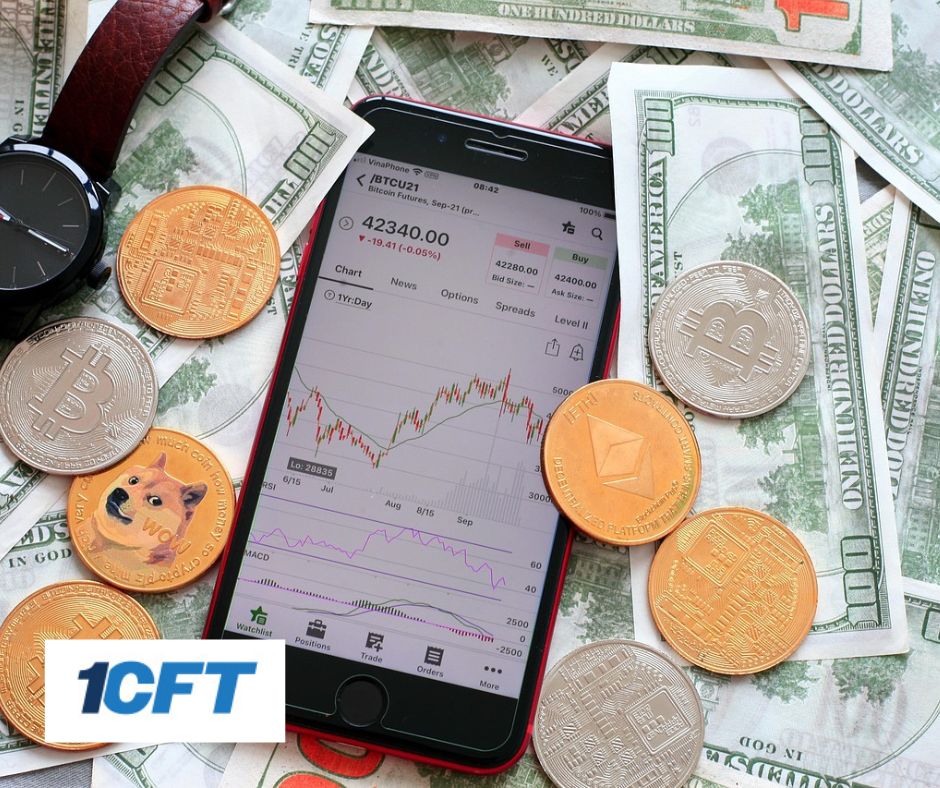
The cryptocurrency market has attracted an increasing number of investors in recent years, both individual and institutional. Rapid price movements, the ongoing development of blockchain technology, and the growing number of new projects make investing in digital assets both appealing and demanding. For people who are just beginning their journey with cryptocurrencies, it is essential to understand the fundamentals of how this market works and to become familiar with strategies that help reduce risk. In practice, investing is not limited to purchasing popular tokens and waiting for their value to increase.
How the Cryptocurrency Market Differs from Traditional Markets
It also requires project analysis, monitoring market trends, and using appropriate tools such as a professional trading platform. More and more traders are also becoming interested in investment models such as prop trading, where investors operate using a firm’s capital rather than their own. In this context, companies such as the prop-trading firm 1cft are emerging, offering an environment where traders can develop their skills and gain access to professional market tools.
The cryptocurrency market differs significantly from traditional financial markets such as stock exchanges or the foreign exchange market. One of its most distinctive characteristics is its continuous availability. Cryptocurrency trading takes place 24 hours a day, seven days a week, giving investors considerable flexibility while also requiring greater discipline and risk awareness.
Another important difference is the level of price volatility. Cryptocurrencies can gain or lose a substantial portion of their value in a relatively short period of time. While this creates opportunities for traders seeking dynamic market movements, it can also present challenges for inexperienced investors. For this reason, access to analytical tools and a reliable technological infrastructure is crucial. A well-designed trading platform enables users to analyze charts, monitor market activity in real time, and respond quickly to price fluctuations.
It is also worth noting that the cryptocurrency market is largely decentralized. Unlike traditional stock markets, there is no single institution supervising all transactions. This encourages innovation but also places greater responsibility on investors to conduct their own research and risk assessments. As a result, many traders choose to operate within more structured environments such as prop trading, where clear rules for capital management and strategy development are in place. One example is the prop-trading firm 1cft, which allows traders to develop their investment strategies within a more organized trading framework.
Analyzing Projects and Tokens
Successful cryptocurrency investing requires a thorough analysis of the projects behind each token. Unlike traditional shares, which represent ownership in a company, cryptocurrencies often serve different purposes within blockchain ecosystems. They may be used for transaction fees, governance rights, or access to specific services within a decentralized platform.
The first step in evaluating a project is reviewing its documentation, commonly known as the whitepaper. This document explains the project’s objectives, technological framework, and the role the token plays within the ecosystem. Investors should also examine the team responsible for the project, its strategic partnerships, and the level of community engagement surrounding the initiative.
Another critical factor is tokenomics, which refers to the model governing token issuance and distribution. Projects with uncontrolled supply mechanisms or with tokens concentrated in the hands of a small number of investors may be more susceptible to price manipulation or sudden market declines.
Professional traders typically combine fundamental analysis with technical analysis. Technical analysis focuses on examining price charts and identifying patterns or trends in the market. To perform such analysis effectively, traders rely on advanced tools provided by a modern trading platform, which offers indicators, charting features, and detailed market data.
Within the prop trading model, project analysis often forms part of a broader and more structured investment process. The prop-trading firm 1cft emphasizes the development of analytical skills and encourages traders to adopt a systematic and disciplined approach to the cryptocurrency market.
The Impact of Regulation on Prices
Regulatory developments are playing an increasingly significant role in the cryptocurrency ecosystem. Governments and financial authorities around the world are working on legal frameworks that address taxation, exchange operations, and investor protection. News regarding new regulations often has a direct impact on cryptocurrency prices.
Positive regulatory decisions—such as the approval of new financial instruments linked to cryptocurrencies—can increase investor confidence and lead to market growth. Conversely, restrictive regulations or trading limitations may trigger sharp price declines and increased uncertainty.
For investors, this means that monitoring market charts alone is not sufficient. It is equally important to follow economic and political developments that could influence the digital asset market. Many professional trading tools integrate market data with macroeconomic news and analytical insights, helping traders better interpret market movements.
In a pro-trading environment, traders often gain access to additional analytical resources and market reports. The prop-trading firm 1cft provides traders with tools and information that can help them react more quickly to regulatory changes and understand their potential impact on the cryptocurrency market.
Diversification and Risk Management
One of the fundamental principles of investing is diversification. This strategy involves spreading capital across multiple assets in order to reduce the risk associated with any single investment.
In the context of cryptocurrencies, diversification may involve allocating funds to different sectors of the market—for example infrastructure projects, smart-contract platforms, or decentralized finance (DeFi) solutions. By diversifying a portfolio, investors can mitigate the potential impact of price declines in any one particular asset.
Equally important is effective risk management. In practice, this includes using tools such as stop-loss orders, controlling position sizes, and defining the maximum acceptable loss for each trade. A well-designed risk management strategy helps investors avoid emotional decision-making and maintain long-term consistency.
Many traders rely on tools available within modern trading environments to manage their portfolios effectively. An advanced trading platform allows users to monitor their investments in real time and analyze multiple markets simultaneously.
The prop trading model also encourages disciplined trading habits. Within such frameworks, traders learn to apply consistent capital management principles and maintain strict risk controls. The prop-trading firm 1cft provides an environment where investors can refine their strategies and develop the skills required for sustainable participation in the cryptocurrency market.
Investing in cryptocurrencies can be an attractive way to build capital, but it requires knowledge, patience, and a well-defined strategy. Understanding the unique characteristics of the market, carefully analyzing projects, and applying sound risk management principles are essential elements of successful investing. It is also beneficial to rely on professional tools and structured trading environments. A reliable trading platform combined with a pro-trading approach can significantly improve a trader’s ability to operate effectively in the market. In this context, the prop-trading firm 1cft represents an example of a solution that allows traders to develop their skills and test investment strategies within a more organized trading framework.